
How To Make Your Living Room Feel Complete.

Living room design works best when function leads the layout. Professional designers focus on how the space will be used before selecting furniture, lighting, or decor.
While there are guidelines designers rely on, these rules are meant to support comfort, flow, and balance, not restrict creativity.
Why Living Room Design Feels So Tricky
The living room is one of the most used spaces in a home, which also makes it one of the hardest to design well. It often needs to support multiple activities, from relaxing and entertaining to working, watching TV, or gathering as a family.
Because of this, living room design requires more than choosing furniture that looks good. Designers start by understanding how the room needs to function day to day.
Rule One: Start With Function, Not Furniture
Designers always begin with how the living room will be used. Before thinking about sofas or chairs, they consider questions like:
Who uses the room most often
How many people need to sit comfortably
Whether the space is used for conversation, media, or both
Function determines layout. Once the purpose is clear, furniture choices become easier and more intentional.
Rule Two: Plan the Layout Before Buying Anything
A common mistake homeowners make is purchasing furniture before planning the layout. Designers work the opposite way.
They map out:
Walkways and circulation paths
Clearances around furniture
Sightlines to focal points
A well-planned layout allows the room to feel open and balanced, even when it includes multiple seating pieces.

Rule Three: Scale and Proportion Matter More Than Style
Even beautiful furniture can feel wrong if it is not properly scaled. Designers pay close attention to proportion, ensuring that furniture fits the size of the room.
Oversized pieces can overwhelm a space, while furniture that is too small can make a room feel unfinished. Correct scale creates a sense of ease and balance that is immediately felt, even if it is hard to articulate.
Rule Four: Anchor the Room With the Right Rug
Rugs play a critical role in living room design. Designers use rugs to define the seating area and visually anchor the space.
The most common guideline is that at least the front legs of major furniture pieces should sit on the rug. This helps the room feel cohesive rather than scattered.
Rule Five: Layer Lighting for Comfort and Flexibility
Lighting is one of the most overlooked elements in living room design. Designers rarely rely on a single overhead light. Instead, they layer:
Ambient lighting for overall illumination
Task lighting for reading or activities
Accent lighting to add warmth and depth
Layered lighting allows the room to adapt to different moods and times of day.
Rule Six: Create Balance, Not Symmetry
While symmetry can be beautiful, designers often focus more on balance. This means distributing visual weight evenly throughout the room rather than mirroring everything exactly.
Balanced rooms feel relaxed and natural, which is especially important in spaces meant for everyday living.
Rule Seven: Leave Room to Live
A well-designed living room should not feel overfilled. Designers intentionally leave negative space so rooms can breathe.
This space allows for movement, comfort, and flexibility over time. A living room should feel welcoming, not staged.
Final Thoughts
Living room design works best when it supports real life. The most successful spaces are not the ones that follow trends most closely, but the ones that feel comfortable, functional, and thoughtfully arranged.
Design rules are tools, not limitations. When used intentionally, they create living rooms that feel calm, balanced, and easy to enjoy.
Let’s Create a Home You Love Living In
Rethinking your living room and want help creating a layout that truly works — Explore interior design services or view recent living room projects for inspiration.
If you really enjoyed this post, I bet you’ll love these too:
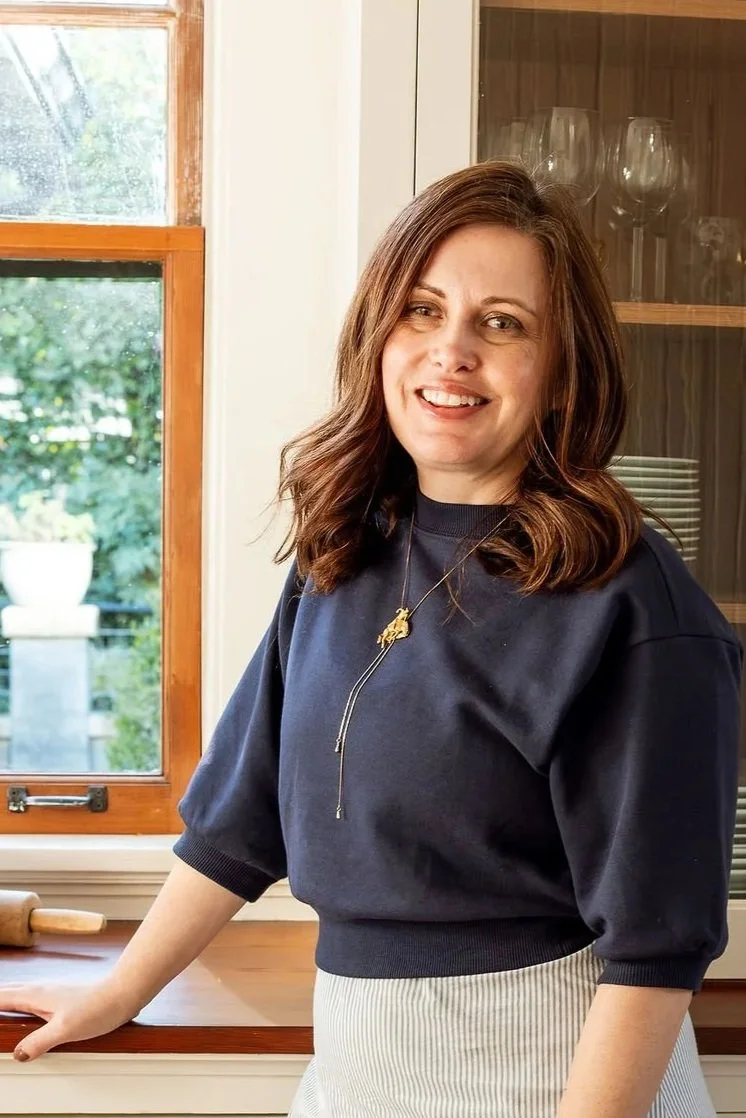
Alana Spears
Owner & Principal Interior Designer
•
Alana Spears Home is a full-service residential interior design studio in Portland, Oregon, specializing in home remodels, furnishings, and glass house outdoor living.
Browse by Category: